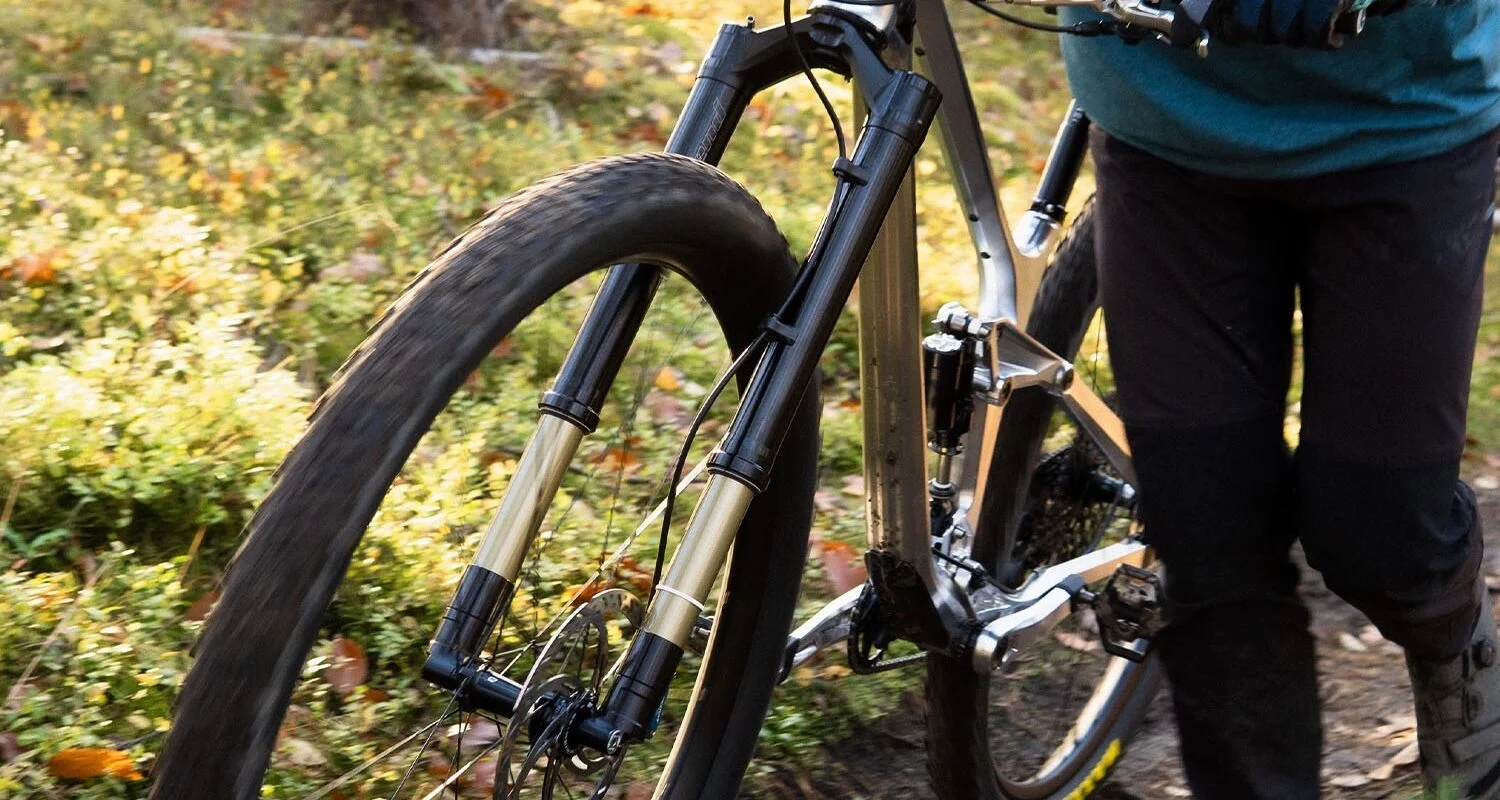
The 32-inch wheel just put itself on the podium at one of the biggest mountain bike stage races in the world. Felix Stehli and Marc Pritzen took Stage 3 of the Cape Epic on 32-inch wheels — the first time the bigger wheel size has landed on top at that level.
That’s not a footnote. That’s a signal.
For the past two years, the mountain bike industry has been whispering about 32-inch wheels the same way it whispered about 29ers back in 2010. Too big. Too niche. Nobody needs them. And then someone wins on them, and the conversation changes overnight.
Here’s what you need to know about where 32-inch wheels actually stand in 2026 and whether they belong on your radar.
What 32-Inch Wheels Actually Change
The jump from 29 to 32 inches isn’t as dramatic as the old 26-to-29 transition, but the physics are real. A bigger wheel rolls over obstacles more easily. It carries momentum better. It smooths out rough terrain that would slow a smaller wheel down.
For cross-country and marathon racing, that’s a meaningful advantage. The Cape Epic is a grueling multi-day stage race across South Africa’s Western Cape — rocky, technical, fast. The fact that 32-inch wheels performed at the front of that field tells you the rollover advantage isn’t theoretical. It’s showing up in race results.
 From the Bike198 shopHate Bike Love Bike$24.99Shop
 The tradeoff has always been weight and acceleration. Bigger wheels are heavier. They’re slower to spin up. They change the bike’s handling geometry in ways that require frame redesign, not just a wheel swap.
But tire and rim technology has caught up. Carbon rims at 32 inches are lighter than alloy 29-inch rims from five years ago. Tire options are expanding. The weight penalty is shrinking every season.
Where 32-Inch Makes Sense (and Where It Doesn’t)
Let me be clear: 32-inch wheels are not for everyone. Not yet.
If you’re racing XC or marathon, especially on courses with long, rocky sections where momentum matters, 32-inch wheels are worth watching closely. The Cape Epic result is the kind of proof point that gets manufacturers moving.
If you ride trail or enduro, 29 isn’t going anywhere. The handling characteristics of a 32-inch wheel on tight, steep, technical terrain introduce compromises that most trail riders won’t accept. The bigger wheel wants to go straight. That’s great for speed. It’s less great when you need to thread a line between two trees on a steep switchback.
And if you ride park or downhill, this conversation doesn’t apply to you at all. Maneuverability matters more than rollover speed in those disciplines.
What the Industry Is Doing
The signals are clear. Trek has been spotted testing XC prototypes with 32-inch wheels. Several wheel manufacturers are quietly developing 32-inch carbon rims. Tire companies are expanding their 32-inch offerings beyond the handful of options available today.
The pattern is identical to what happened with 29-inch wheels. Early adopters prove the concept in racing. Manufacturers start building frames around the new standard. Within a few seasons, the catalogs shift.
My prediction: by 2027, most major brands will offer at least one 32-inch XC hardtail. By 2028, it’ll be the default for XC race bikes. Trail bikes will stay at 29 for the foreseeable future, and the mixed-wheel-size trend (bigger front, smaller rear) might find a new variant with 32/29 combinations.
What This Means For You Right Now
If you’re shopping for a new XC bike today, buy the 29er. The 32-inch ecosystem isn’t mature enough yet — limited tire options, limited frame choices, and prices that reflect early-adopter tax.
But keep your eye on this. The Cape Epic result is the kind of thing that accelerates timelines. When a new wheel size wins at the highest level, the industry responds. Fast.
The 32-inch wheel is coming. The only question is how quickly.

I founded Bike198 back in 2008 and started riding bikes seriously in 1994. A lot has changed since that time and one of the greatest releases is still getting out on the bike and shredding trail or tearing up the road.