
Aggressive trail riding on an eMTB is different than “regular trail.” More bike weight + assist can mean higher average speeds, longer sustained descents, and more fatigue by the end of the ride—exactly when crashes happen. This guide compares the best eMTB helmets for aggressive trail riding in 2026 using clear criteria and transparent specs, then breaks down each option in a deep-dive review. Jump to:
- How We Picked & Sourced Data
- Comparison Table (Top eMTB Helmets 2026)
- Individual Helmet Reviews
- Recommendations (Best Overall / Value / Safety)
- FAQ (eMTB Helmet Safety & Fit)
Quick Take: For aggressive eMTB trail riding, prioritize fit stability, coverage, and rotational protection (Mips/Spherical-type systems). If available and verified, NTA 8776 certification can be a strong bonus.
- Best Overall: Giro Manifest Spherical
- Best eMTB Safety Alignment: POC Kortal Race MIPS (NTA 8776)
- Best Value: Specialized Tactic (Tactic 4) (CPSC + NTA 8776)
How We Picked the Best eMTB Helmets for Aggressive Trail Riding (2026)
Selection criteria: We prioritized helmets that are widely available, appropriate for aggressive trail/enduro-style riding, and offer modern rotational-impact mitigation (e.g., Mips or Spherical powered by Mips). We also favored models that clearly list secure fit systems and strong ventilation for long eMTB days. Where explicitly stated by the manufacturer, we noted NTA 8776 (an e-bike helmet standard).
Data sourcing: Specs were pulled from manufacturer pages first (price, certifications, and weights when shown), then reputable retailers and established outlets for missing fields (like verified weights or vent counts). Any field we couldn’t verify is left blank and clearly noted below the table.
Best for Hot Climates / Heavy Sweaters:
Start your shortlist with Giro Manifest Spherical and Smith Forefront 2 Mips for airflow-focused designs. If you ride long climbs even with assist, ventilation becomes a performance feature, not a luxury.
Comparison Table: Best eMTB Helmets for Aggressive Trail Riding (2026)
Table notes: Prices change often and vary by colorway/season. Certifications can vary by region/model year. Always confirm the certification label inside the exact helmet you buy.
Top eMTB Helmets for Aggressive Trail Riding (2026) — Spec Comparison
| Helmet Name | Price (USD) | Weight (g) | Ventilation | Safety Features | Affiliate Link |
|---|---|---|---|---|---|
| Giro Manifest Spherical | 279.95 | 340 (M) | 19 vents + channeling | Spherical (Mips®), Progressive Layering | Check price |
| POC Kortal Race MIPS | 300.00 | 370 | Vent ports designed to stay open with goggles | Mips Integra, RECCO®, NFC Medical ID, breakaway peak | Check price |
| Specialized Tactic (Tactic 4) | 89.99 (sale) / 119.99 | 380 (M) | CFD channeling + “4D brow cooling” | MIPS Evolve | Check price |
| Fox Speedframe Pro | 219.95 | 380±30 (M) | 18 vents | Mips (variant dependent) | Check price |
| Smith Forefront 2 Mips | 380 (M) | 20 fixed vents | Mips; KOROYD | Check price | |
| Troy Lee Designs A3 MIPS | ~249.99 | 423 (L verified) | 16 vents | Mips; multi-density impact liner (design dependent) | Check price |
| Bell Super Air R Spherical | 329.95 | 640 (M) | Overbrow Ventilation™ | Spherical (Mips), removable chin bar | Check price |
| Leatt Enduro 4.0 (Convertible) | 384.99 | 810 | 18 vents | Convertible chin bar | Check price |
*Data limitations: Certifications and some specs can vary by region and model year; always confirm the label on the exact helmet you purchase. Blank cells indicate pricing/specs were not consistently verified across primary sources at time of writing.
Ready to buy? If you want the simplest short-list for aggressive eMTB trail riding:
- Best Overall: Giro Manifest Spherical
- Best eMTB Safety Alignment: POC Kortal Race MIPS
- Best Value: Specialized Tactic 4
Individual Helmet Reviews
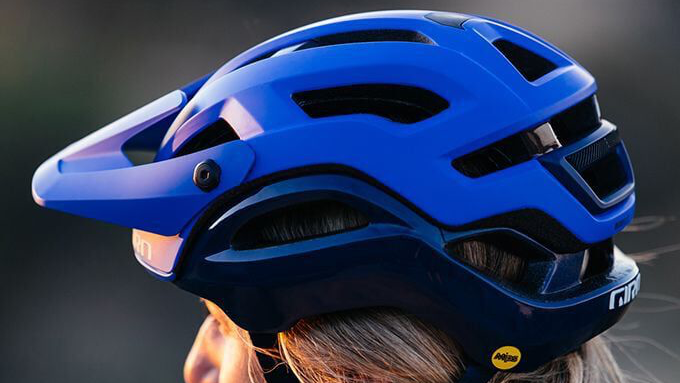
Giro Manifest Spherical
Affiliate link: Check price / availability
- Summary: Premium open-face trail helmet with top-tier rotational protection design and excellent ventilation—great for long, aggressive eMTB rides.
- Pros:
- Spherical (Mips) + Progressive Layering concept
- Very strong ventilation + stable fit
- Excellent visor/eyewear integration
- Cons:
- Higher price than value leaders
- Primary page lists CE EN1078; verify region-specific labels*
- Intended Use: Aggressive trail, enduro-style descents, eMTB laps, all-day rides.
- Star Rating: ⭐⭐⭐⭐⭐ (5/5)
Detailed Review: The Giro Manifest Spherical is the kind of helmet you buy once and then stop thinking about—because it just works. For aggressive eMTB trail riding, that’s ideal: the bike encourages higher sustained speed, and the helmet needs to stay stable in rough terrain without turning into a sweat trap on climbs. The defining feature is Spherical Technology powered by Mips, a dual-liner approach intended to help manage rotational forces in certain angled impacts. Giro complements that with a multi-density EPS concept (“Progressive Layering”) and structural reinforcement designed to keep airflow paths open.
On trail, the Manifest tends to feel planted and comfortable even in braking bumps and high-frequency chatter. Venting is a strong point—useful for long climbs and hotter climates—and the visor/eyewear details are refined enough that you’re not constantly adjusting gear mid-ride. The primary drawbacks are price and the fact that certification labeling is sometimes presented differently by region, so it’s worth confirming the label on the exact helmet you buy. If you want the most complete open-face option for aggressive eMTB riding in 2026, this is a top choice.
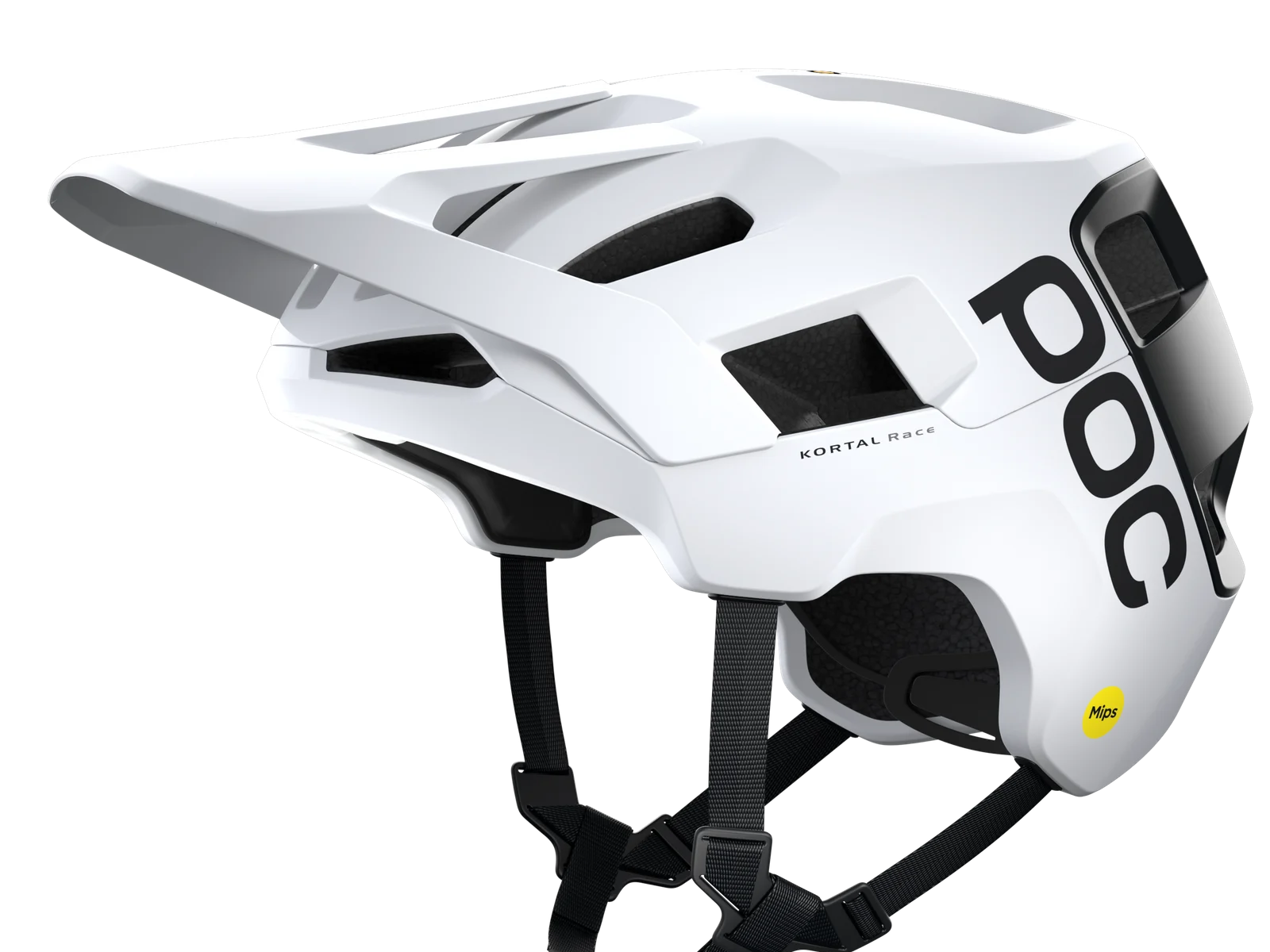
POC Kortal Race MIPS
Affiliate link: Check price / availability
- Summary: One of the most eMTB-native open-face trail helmets: NTA 8776 certification plus RECCO + NFC Medical ID for real-world crash scenarios.
- Pros:
- NTA 8776 e-bike standard explicitly stated
- Strong coverage + goggle-friendly design
- RECCO + twICEme NFC Medical ID adds real-world utility
- Cons:
- Premium price
- Weight varies by size; verify your exact size/spec*
- Intended Use: Aggressive trail/enduro, higher-speed eMTB riding, remote rides.
- Star Rating: ⭐⭐⭐⭐⭐ (5/5)
Detailed Review: If you’re choosing a helmet specifically for how people ride eMTBs in 2026—faster average speeds, longer descents, and more frequent goggle use—the POC Kortal Race MIPS is one of the clearest matches. The standout spec is NTA 8776, an e-bike helmet standard that POC explicitly calls out. That makes it especially appealing for riders who want a helmet aligned with e-bike use rather than simply “good enough for bikes in general.”
It’s also loaded with safety ecosystem features that matter when something goes wrong: RECCO (search/rescue reflector) and twICEme NFC Medical ID for emergency info access. Add Mips Integra for rotational impact mitigation and a breakaway peak design, and you’ve got a helmet built for modern trail risk profiles. On the usability side, ventilation and goggle integration are thoughtful—vent ports are designed to remain effective with goggle straps, and storage details are integrated. If you want the most eMTB-native “open-face + maximum systems safety” option in this guide, the Kortal is a leading pick.
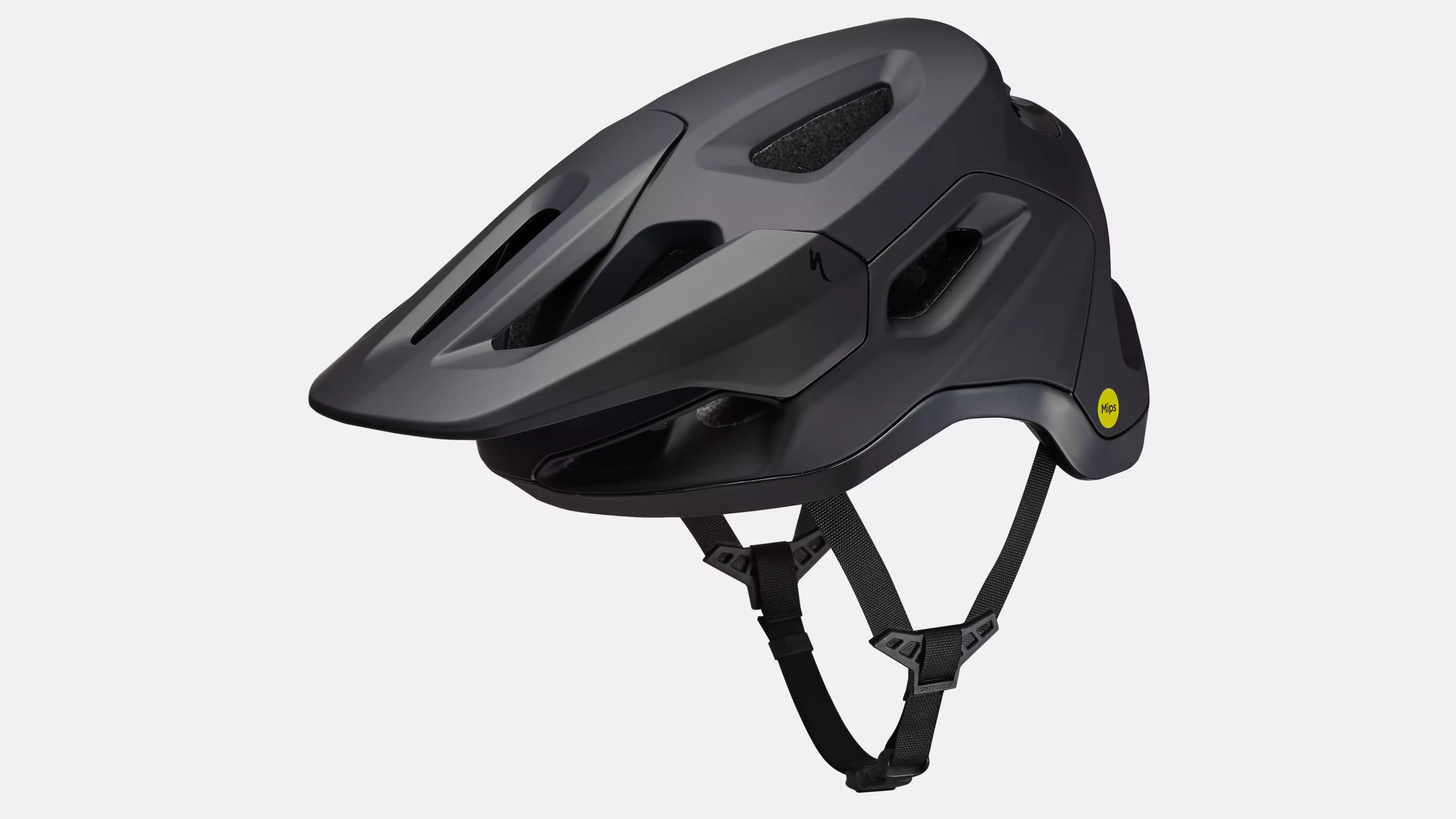
Specialized Tactic (Tactic 4)
Affiliate link: Check price / availability
- Summary: Best value for aggressive eMTB riding: CPSC + NTA 8776 with modern protection and strong ventilation design—often on sale.
- Pros:
- NTA 8776 + CPSC listed for relevant models
- Very strong price-to-performance
- Ventilation emphasis (channeling + brow cooling)
- Cons:
- Some riders report strap/ear comfort issues*
- Fewer premium “extras” vs $250–$300 helmets
- Intended Use: Daily aggressive trail eMTB laps, enduro-style descents, long rides on a budget.
- Star Rating: ⭐⭐⭐⭐☆ (4.5/5)
Detailed Review: The Specialized Tactic is one of the easiest helmets to recommend for 2026 eMTB trail riding because it delivers the fundamentals with unusually strong certification alignment for the money. Specialized lists CPSC compliance for US/Canada models and explicitly states NTA 8776 certification—an e-bike standard—while keeping weight in a reasonable range for the category. This matters because eMTB riding can amplify crash consequence (speed + repeated descents), and certification clarity is reassuring.
It also does the practical stuff well. The internal ventilation and “brow cooling” concepts are designed to keep air moving even when speeds vary—exactly what happens on long climbs, stop-and-go tech sections, and humid days. Fit stability is strong for the price, and the helmet feels appropriate for aggressive trail use rather than “XC only.” The biggest caveat is that strap comfort can be subjective; some riders love it, others complain about the ear area. If your head/strap preferences match, it’s a category-leading value. If you want a modern, aggressive-trail-ready helmet with e-bike certification that doesn’t blow up your budget, start here.
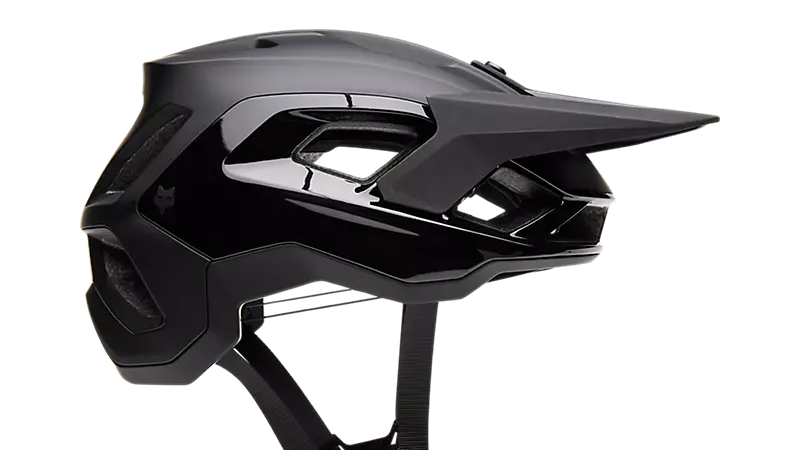
Fox Speedframe Pro
Affiliate link: Check price / availability
- Summary: A stable, aggressive-trail helmet with BOA fit—excellent for riders who prioritize a locked-in feel on rough descents.
- Pros:
- BOA fit system improves stability
- Widely available and proven on aggressive trails
- Comfortable “daily driver” for many riders
- Cons:
- Specs vary by SKU/model-year*
- Head-shape sensitive; try-on is ideal
- Intended Use: Aggressive trail, enduro-lite, fast eMTB laps where stability matters.
- Star Rating: ⭐⭐⭐⭐☆ (4.5/5)
Detailed Review: The Fox Speedframe Pro is popular for a simple reason: it feels stable when the trail gets rough. For aggressive eMTB riding, stability can matter more than weight because braking bumps and compressions feel harsher at higher speeds. The BOA system is a major advantage—it’s quick to dial, stays put, and helps keep the helmet planted without over-tightening. That stability can help you stay focused on line choice instead of fiddling with fit mid-ride.
Venting is competitive for the class, and the Speedframe Pro is a widely used “do everything” helmet across trail and enduro-style riding. The key caution is to confirm the exact variant you’re purchasing—Speedframe Pro has multiple revisions and SKUs, and different listings may present slightly different weight/vent/buckle details. Still, if you want a mainstream, proven aggressive-trail helmet with a secure fit feel for 2026 eMTB riding, it remains a safe pick.
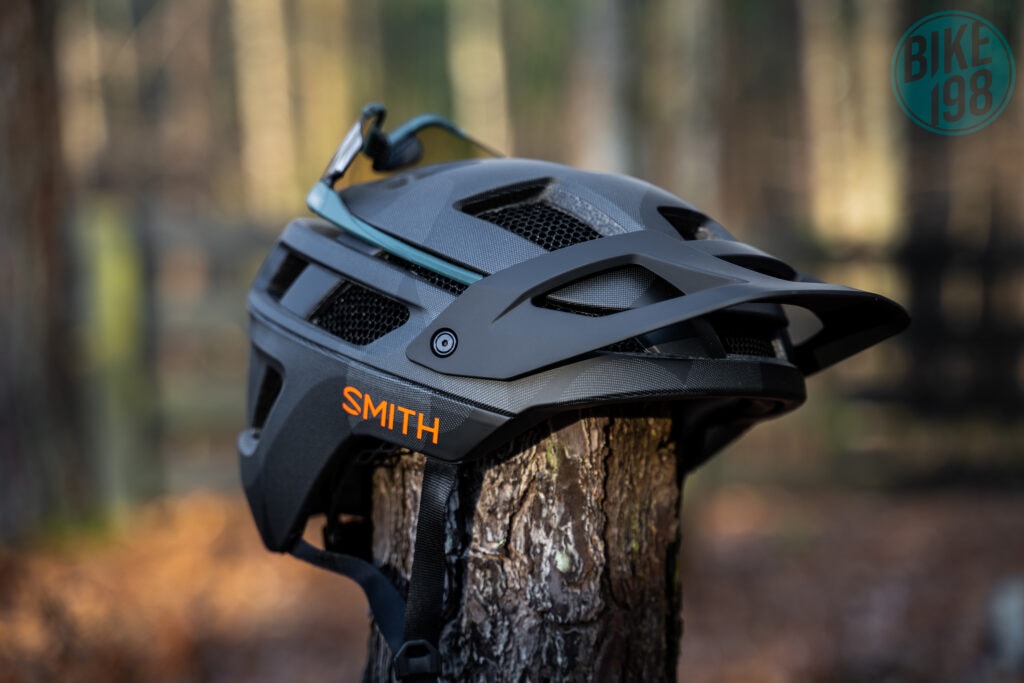
Smith Forefront 2 Mips
Affiliate link: Check price / availability
- Summary: Airflow-forward premium open-face helmet with strong eyewear integration—ideal for hot climates and long rides.
- Pros:
- Airflow focus (20 vents) + comfort
- Mips + KOROYD impact management concept
- Great eyewear/goggle integration
- Cons:
- Pricing varies heavily*
- Fit is head-shape dependent; try-on recommended
- Intended Use: Aggressive trail/enduro-style eMTB rides where ventilation matters.
- Star Rating: ⭐⭐⭐⭐☆ (4.5/5)
Detailed Review: The Smith Forefront 2 is a strong pick for riders who run hot or ride in climates where ventilation dictates how long you can stay sharp. eMTB riding often means longer rides and more climbing—even with assist—so airflow is not just comfort, it’s performance. The Forefront 2 pairs Mips with extensive KOROYD coverage and maintains a trail/enduro-ready feel rather than an “XC-only” vibe.
Where it shines is the combination of ventilation, coverage, and eyewear usability. If you swap between glasses and goggles or need reliable storage, Forefront-style designs tend to handle that well. The biggest downside is fit variability—some riders love it, others don’t—plus pricing that swings by season and colorway. If you can try it on (or buy from an easy-return retailer), it’s one of the best “hot climate aggressive trail” options for 2026.
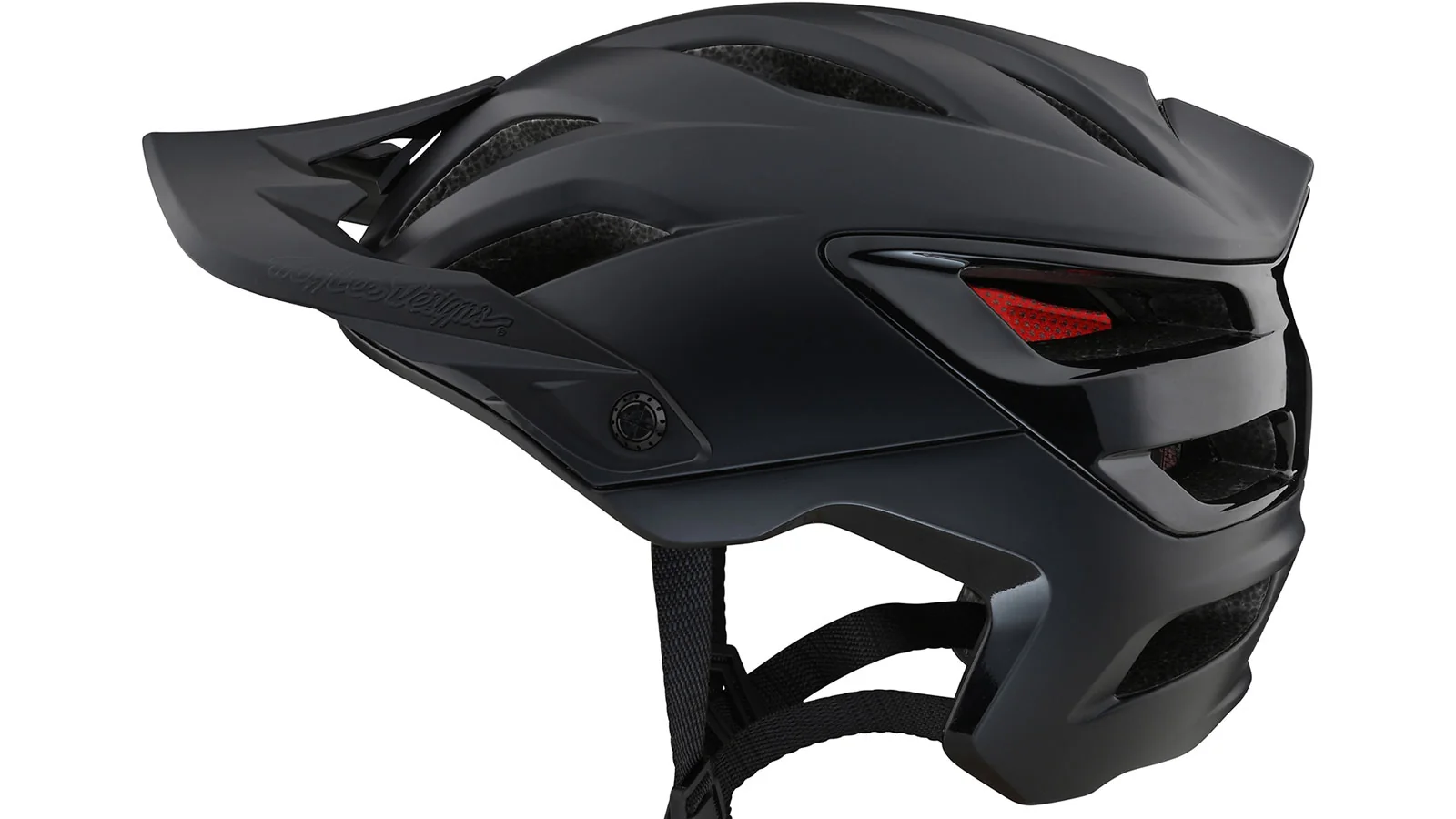
Troy Lee Designs A3 MIPS
Affiliate link: Check price / availability
- Summary: Comfort-first premium trail helmet with a loyal following—ideal if you value stability and padding feel over grams.
- Pros:
- Premium comfort and stable fit feel for many riders
- Broad certification coverage (market-dependent)
- Trail/enduro-ready design
- Cons:
- Heavier than some comparable open-face helmets*
- Spec details vary by size and listing*
- Intended Use: Aggressive trail/enduro eMTB riding where comfort + stability matter most.
- Star Rating: ⭐⭐⭐⭐☆ (4/5)
Detailed Review: The Troy Lee Designs A3 MIPS is often chosen because it feels great over long rides—exactly what you want if you’re doing repeated eMTB laps or long aggressive trail days. Comfort and stability become safety features when the trail gets rough, because a helmet that shifts or creates hotspots distracts you right when you need focus. The A3 is known for plush padding, a secure feel, and a substantial “premium” build.
The tradeoff is weight. Depending on size, it’s often heavier than some airflow-max open-face rivals, but many riders accept that because it stays planted in rough terrain. If you’re sensitive to fit or want a helmet that feels secure even when you’re getting bounced around, the A3 is worth trying on for 2026 aggressive eMTB riding.
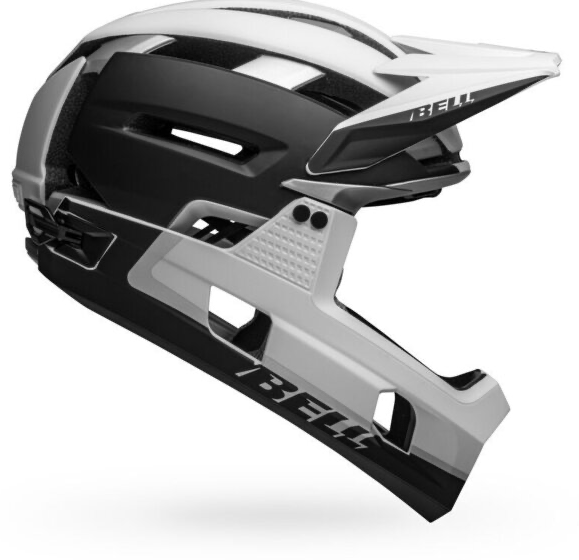
Bell Super Air R Spherical
Affiliate link: Check price / availability
- Summary: The best “one helmet for mixed rides” solution: open-face comfort with a removable chin bar and Spherical powered by Mips.
- Pros:
- Convertible design adapts to mixed terrain
- Spherical powered by Mips
- Excellent for riders who want extra face coverage sometimes
- Cons:
- Heavy compared to standard open-face helmets
- Convertible chin bar has limits; not a DH race helmet*
- Intended Use: Aggressive trail eMTB rides with alternating climb/descend intensity.
- Star Rating: ⭐⭐⭐⭐☆ (4.5/5)
Detailed Review: The Bell Super Air R Spherical is built for reality: sometimes your ride is mostly trail, sometimes the descent is steep enough that you want a chin bar. Rather than forcing a full-face choice for the whole ride, this helmet lets you adapt. For eMTB riders who climb comfortably and then drop into faster, rowdier descents, the convertible approach makes a lot of sense.
Bell’s Spherical powered by Mips design is a premium rotational-impact approach, and the helmet includes practical trail features that make it easy to live with. The tradeoff is weight: it’s significantly heavier than a pure open-face option. It’s also important to be honest about what it is and isn’t: a removable chin bar can add confidence and coverage, but it’s not the same thing as a dedicated DH race helmet. Used for aggressive trail and enduro-style riding, it’s one of the best “one-helmet quiver” options for 2026.
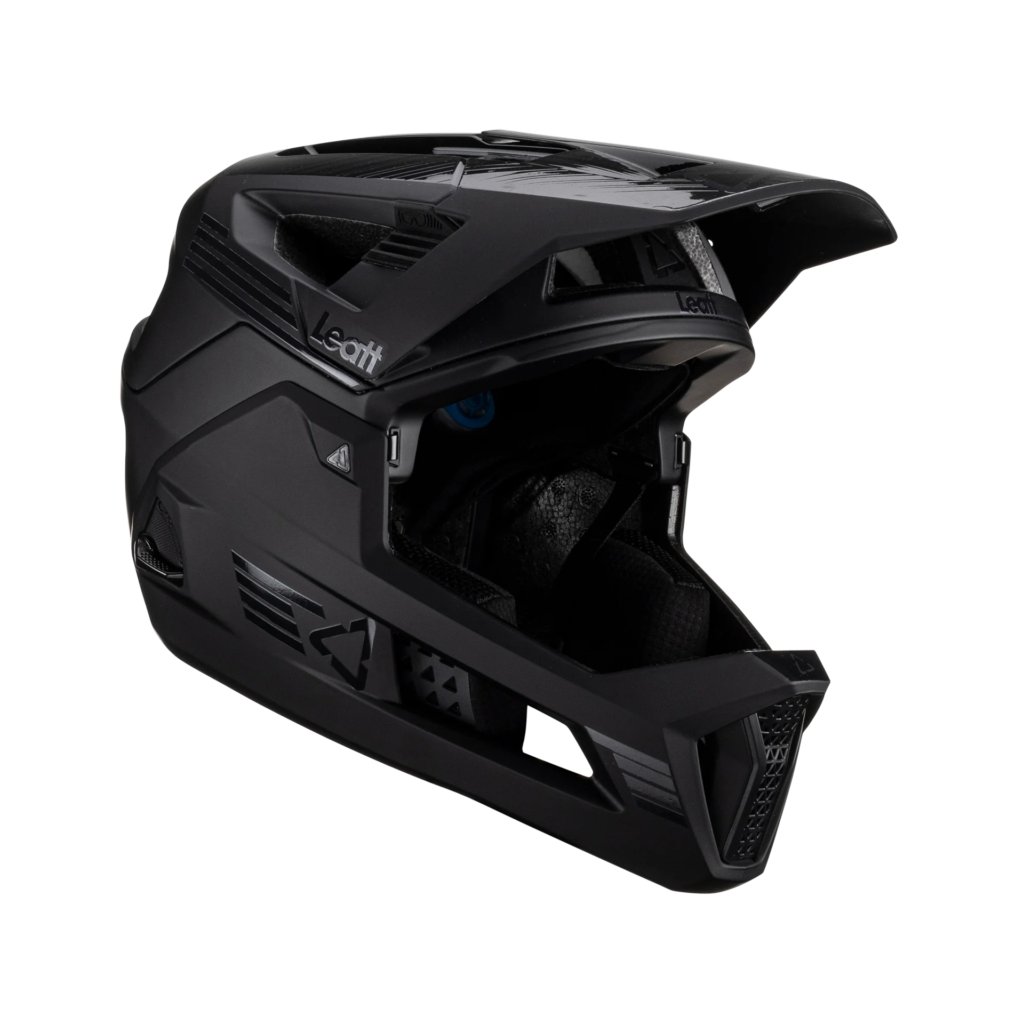
Leatt Enduro 4.0 (Convertible)
Affiliate link: Check price / availability
- Summary: Protection-forward convertible helmet for aggressive descending—best if your “trail” is closer to mini-DH at eMTB speeds.
- Pros:
- Convertible chin bar adds face/jaw coverage
- Well-suited for steep, technical descending
- Vent count is strong for a convertible
- Cons:
- Heavy versus open-face options
- Can be warm on long climbs
- Intended Use: Aggressive eMTB riders who want more coverage on the way down.
- Star Rating: ⭐⭐⭐⭐☆ (4/5)
Detailed Review: The Leatt Enduro 4.0 is for riders who regularly point eMTBs down steep, technical lines where consequences feel real. If a standard open-face helmet feels undergunned but a full DH helmet feels miserable on climbs, a convertible can be the best compromise. The Enduro 4.0 leans toward protection, which makes sense for higher-speed eMTB descending and repeated laps.
The tradeoffs are predictable: more helmet means more weight and potentially more heat. If your rides are mostly rolling trail with occasional tech, this is likely more than you need. But if you routinely ride steep chutes, rock gardens, and aggressive features—especially at eMTB speeds—the Enduro 4.0 becomes a sensible 2026 choice.
Recommendations: Top eMTB Helmets for Aggressive Trail Riding (2026)
Best Overall
Recommended Helmet: Giro Manifest Spherical
Short Rationale: The most complete open-face blend of ventilation, stability, and premium rotational protection design for aggressive eMTB trail riding.
- Spherical powered by Mips
- Excellent ventilation for long rides
- Stable fit for fast, chunky descents
Affiliate link: Check price
Best for eMTB Safety Alignment
Recommended Helmet: POC Kortal Race MIPS
Short Rationale: Explicit NTA 8776 certification plus RECCO + NFC Medical ID makes it the most eMTB-native safety package in this guide.
- NTA 8776 e-bike helmet standard
- Mips Integra rotational protection
- RECCO + twICEme NFC Medical ID
Affiliate link: Check price
Best Value
Recommended Helmet: Specialized Tactic (Tactic 4)
Short Rationale: Often discounted, e-bike certified, and aggressive-trail capable—this is the smartest buy for most riders in 2026.
- CPSC + NTA 8776 listed (model/region dependent)
- Strong ventilation design
- Great price-to-performance
Affiliate link: Check price
FAQ: eMTB Helmets for Aggressive Trail Riding
Do eMTB riders need a different helmet than regular MTB riders?
Not always, but eMTB riding often means higher sustained speed and longer descents. Prioritize stability, coverage, and rotational impact mitigation first—then ventilation.
What is NTA 8776 and should I care?
NTA 8776 is an e-bike helmet standard. If you want a helmet explicitly certified with e-bike use in mind, it’s a strong bonus filter—especially for aggressive riding.
Is Mips (or Spherical powered by Mips) worth prioritizing?
Rotational systems are designed to reduce rotational forces in certain angled impacts. For aggressive trail riding—where twisting falls are common—this is a sensible feature to prioritize.
Open-face vs convertible vs full-face: what’s best for aggressive eMTB trails?
Open-face is best for all-day comfort and ventilation. Convertibles add face coverage for certain descents. Dedicated full-face is best for true bike-park/downhill environments. Choose based on your terrain and risk, not just aesthetics.
How should an eMTB helmet fit for aggressive riding?
It should be snug, stable, and level on your head. If it rolls back or shifts side-to-side when you shake your head, sizing/fit is wrong. Stability matters more than shaving grams.
How often should I replace my helmet?
Immediately after a significant impact—even if it looks fine. Replace earlier if the fit system, straps, or shell show wear that reduces stability.
Does ventilation really matter on an eMTB?
Yes. eMTB rides are often longer and include sustained climbing. Better ventilation improves comfort and focus, especially on technical descents late in the ride.
What matters more: lighter weight or more coverage?
For aggressive riding, coverage + stability usually win. A helmet that shifts is a bigger problem than one that’s slightly heavier.
Build your shortlist in 60 seconds:
- Pick your default open-face: Giro Manifest Spherical or Specialized Tactic 4
- If you want explicit eMTB certification: POC Kortal Race MIPS
- If you want a convertible for rowdier descents: Bell Super Air R Spherical or Leatt Enduro 4.0