
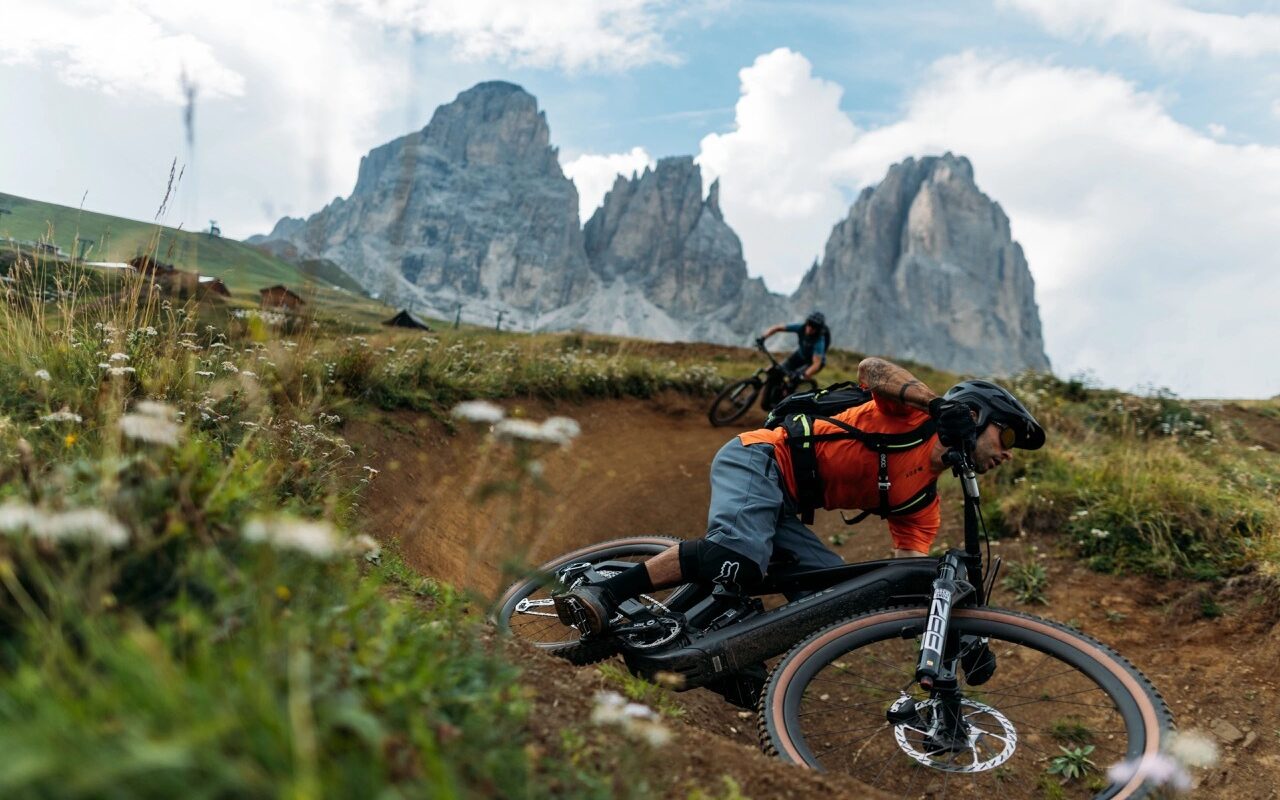
Walk into any bike shop today and you’ll see four major categories of mountain bikes: cross-country (XC), trail, enduro, and downhill. To the untrained eye, they may look similar—but underneath, these bikes are engineered with completely different intentions. Geometry, suspension travel, frame stiffness, and components all exist to perform specific tasks on specific terrain.
If you’re choosing your next bike, this isn’t a small decision. Picking the wrong category can make riding harder and less fun. The right bike, however, makes every trail feel better. In this BIKE198 deep dive, we’ll break down XC vs. trail vs. enduro vs. downhill bikes in real-world terms—not marketing jargon—so you can choose the bike that matches how and where you ride.
New riders may want to read our Beginner Guide: How to Choose a Mountain Bike afterward for even more detail on sizing and fit.
1. XC Bikes (Cross-Country): Built for Speed, Efficiency, and Climbing
XC bikes are purpose-built for climbing, pedaling efficiency, and all-day speed. They’re the lightest bikes on the mountain, and the design philosophy is simple: convert every watt of rider input into forward motion. XC bikes reward fitness and precise handling, especially on rolling terrain and race-oriented trails.
If your goal is maximizing fitness, speed, and efficiency, an XC bike gives you the crisp, responsive feel you’re after. Riders looking to improve their technique may also want to check out our mountain bike climbing skills guide.
Geometry & Ride Feel
XC geometry uses short suspension travel and steeper angles:
- Head angle: 67–69°
- Steep seat tube for climbing efficiency
- Short reach + longer stems
This creates a lightweight, aggressive pedaling position but sacrifices downhill confidence.
Suspension Travel
- Front: 100–120mm
- Rear: 100–120mm or hardtail
Strengths
- Fast, efficient climbing
- Lightweight frame design
- Explosive acceleration
Weaknesses
- Harsh on rough descents
- Less forgiving for new riders
- Limited traction at high speed
XC riders often benefit from advanced cornering and balance techniques—check out our cornering fundamentals guide.
2. Trail Bikes: The Do-Everything Workhorse
Trail bikes are the most versatile category in mountain biking. They strike a perfect middle ground between XC efficiency and enduro stability. For 90% of riders, this is the “one bike to rule them all.”
If your local trails include a mix of flow, technical features, punchy climbs, and fun descents, a trail bike is built for exactly that. They’re also the easiest bikes to progress on — see our rider progression tips: 5 Mountain Bike Skills Every Rider Should Learn.
Geometry & Ride Feel
Modern trail geometry is significantly more capable than trail bikes of the past:
- Head angle: ~65–67°
- Steeper 75–77° seat tube for better climbing position
- Balanced reach and wheelbase
Suspension Travel
- Front: 130–150mm
- Rear: 120–150mm
Strengths
- Balanced climbing & descending
- Confidence-inspiring handling
- The best all-rounder for most riders
Weaknesses
- Not as efficient as XC bikes
- Not as stable as enduro bikes at extreme speed
3. Enduro Bikes: Built for Big, Fast, Technical Descents
Enduro bikes were born from race formats where only the downhill segments are timed. Because of that heritage, enduro bikes are heavily biased toward descending—steep, fast, rocky, rooty terrain where control and stability matter more than pedaling efficiency.
If your riding includes bike parks, double-black trails, or high-speed chunk, enduro is the right category. For riders learning to handle big terrain, check out our guide to riding steep MTB terrain.
Geometry & Ride Feel
Enduro bikes run long, slack geometry for downhill stability:
- Head angle: 63–65°
- Longer reach & wheelbase
- Lower bottom bracket
Suspension Travel
- Front: 160–180mm
- Rear: 150–170mm
Strengths
- Exceptional stability in steep, rough terrain
- Huge hit absorption
- Confidence at speed
Weaknesses
- Heavier and less efficient
- Overkill on mellow trails
These bikes come alive on demanding terrain—see our Enduro Bike Setup Guide for tuning tips.
4. Downhill Bikes: Pure Gravity Machines
Downhill bikes exist for one purpose: descend as fast and as controlled as possible. They are not designed to pedal uphill, and in most cases, they’re terrible at anything that isn’t a steep, aggressive descent.
They shine at bike parks, race courses, and big-mountain lines. Riders who frequent parks may also enjoy our Bike Park Riding Tips for Beginners & Intermediates.
Geometry & Ride Feel
DH bikes have the longest, slackest geometry in MTB:
- Head angle: 62–64°
- Very long wheelbase
- Dual-crown forks for precision at speed
Suspension Travel
- Front: 180–200mm
- Rear: 180–220mm
Strengths
- Unmatched descending performance
- Extreme stability at high speeds
- Engineered for big hits and heavy terrain
Weaknesses
- Terrible at pedaling
- Heavy and sluggish at slow speeds
- Highly specialized
Downhill riders benefit from strong braking technique—see How to Brake on a Mountain Bike.
5. Side-by-Side Comparison Table
This comparison table highlights the major differences across XC, trail, enduro, and downhill categories so you can quickly match a bike to your terrain and riding style.
| Category | Suspension Travel | Geometry | Climbing Ability | Descending Ability | Best Terrain | Ideal Rider |
|---|---|---|---|---|---|---|
| XC | 100–120mm | Steep, efficient, light | ⭐⭐⭐⭐⭐ | ⭐⭐ | Smooth singletrack, climbs | Fitness-focused, racers |
| Trail | 130–150mm | Balanced, versatile | ⭐⭐⭐⭐ | ⭐⭐⭐⭐ | Mixed terrain, everyday riding | Most riders |
| Enduro | 150–180mm | Slack, long, stable | ⭐⭐⭐ | ⭐⭐⭐⭐⭐ | Steep, technical terrain | Aggressive riders |
| Downhill | 180–220mm | Ultra-slack, dual-crown | ⭐ | ⭐⭐⭐⭐⭐+ | Bike parks, DH racing | Gravity specialists |
6. Which Bike Is Right for You?
At BIKE198, we always tell riders: buy the bike that fits the trails you actually ride—not the ones you wish you rode.
If You Ride Mostly XC or Rolling Terrain
You’ll enjoy the speed and efficiency of an XC bike. Pair this with our MTB fitness improvement guide if you’re training for endurance.
If You Ride Varied Terrain
A trail bike is your best one-bike solution. Add skills from our cornering technique guide to unlock more capability.
If You Ride Steep, Rough, Fast Trails
An enduro bike is the right call. Combine it with our technical trail riding guide.
If You Spend Most Weekends in the Bike Park
Downhill bikes exist for exactly this. Learn how to stay safer with our jumping and park riding tips.
Conclusion
The differences between XC, trail, enduro, and downhill bikes go far beyond suspension travel. They are engineered for different speeds, terrains, riding styles, and skill levels. XC bikes reward fitness and precision. Trail bikes prioritize versatility. Enduro bikes thrive in aggressive terrain. Downhill bikes are pure gravity machines.
Pick the category that matches where you ride most often—and the bike will make you a better rider from day one. Whether you’re carving local singletrack or pushing limits in the bike park, the right bike amplifies your fun, confidence, and control.
For help choosing models, see our MTB Buyer’s Guides next.