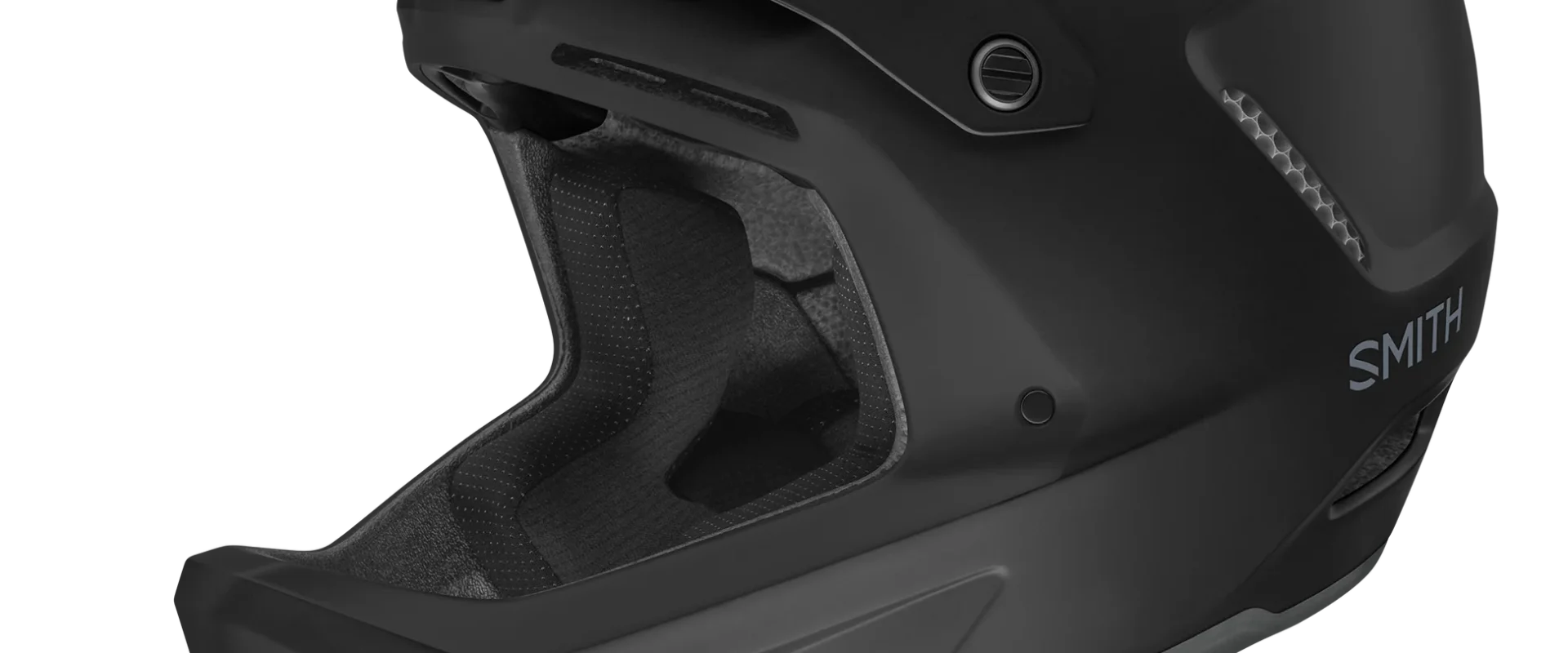
Smith Hardline MIPS R Review: Is This DH Full-Face Helmet Worth the Hype?
If you’ve been following Smith’s helmet line over the last few years, you probably know the Mainline as their pedal-friendly enduro full-face. The new Smith Hardline MIPS R is not that.
This is Smith finally going all-in on a true downhill / freeride lid: more coverage, more shell, more protection, and a clear focus on bike-park laps, shuttle days, and big-hit lines where you’re thinking more about survival than KOMs.
For BIKE198 readers, the question isn’t “is it safe?” (it’s DH-certified) – it’s whether the Smith Hardline MIPS R actually delivers enough real-world performance and comfort to justify the premium price and extra grams over lighter options.
Let’s dig in.
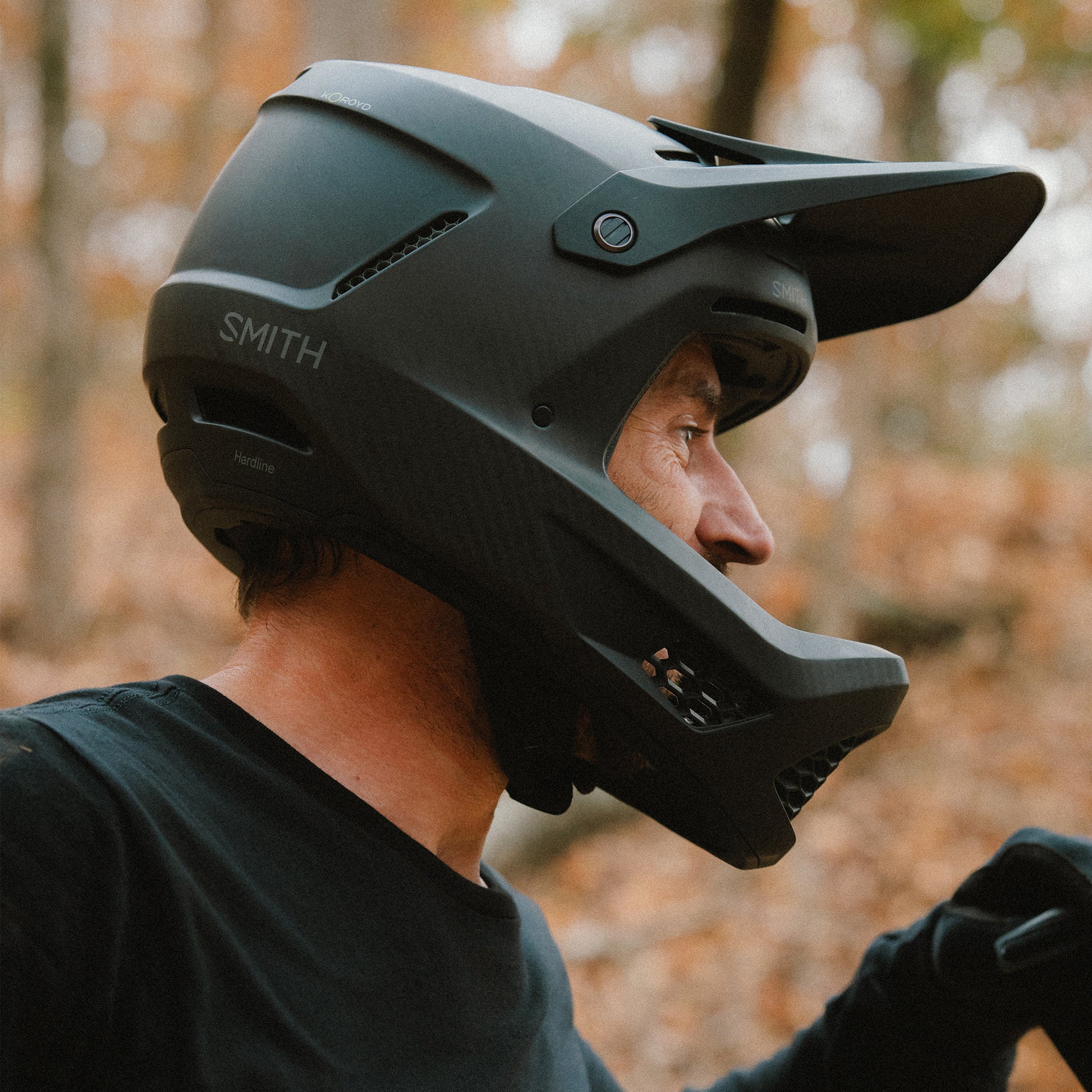
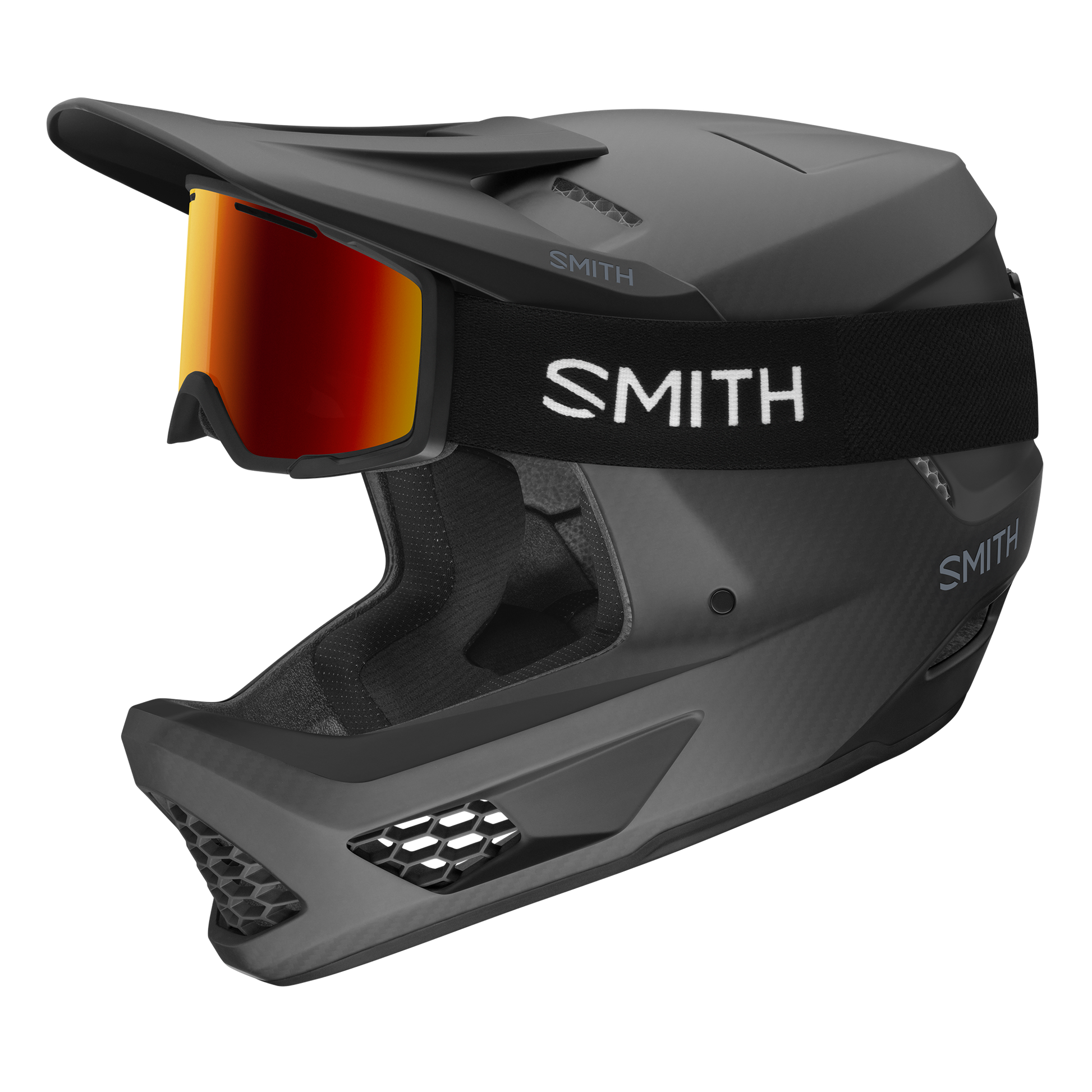
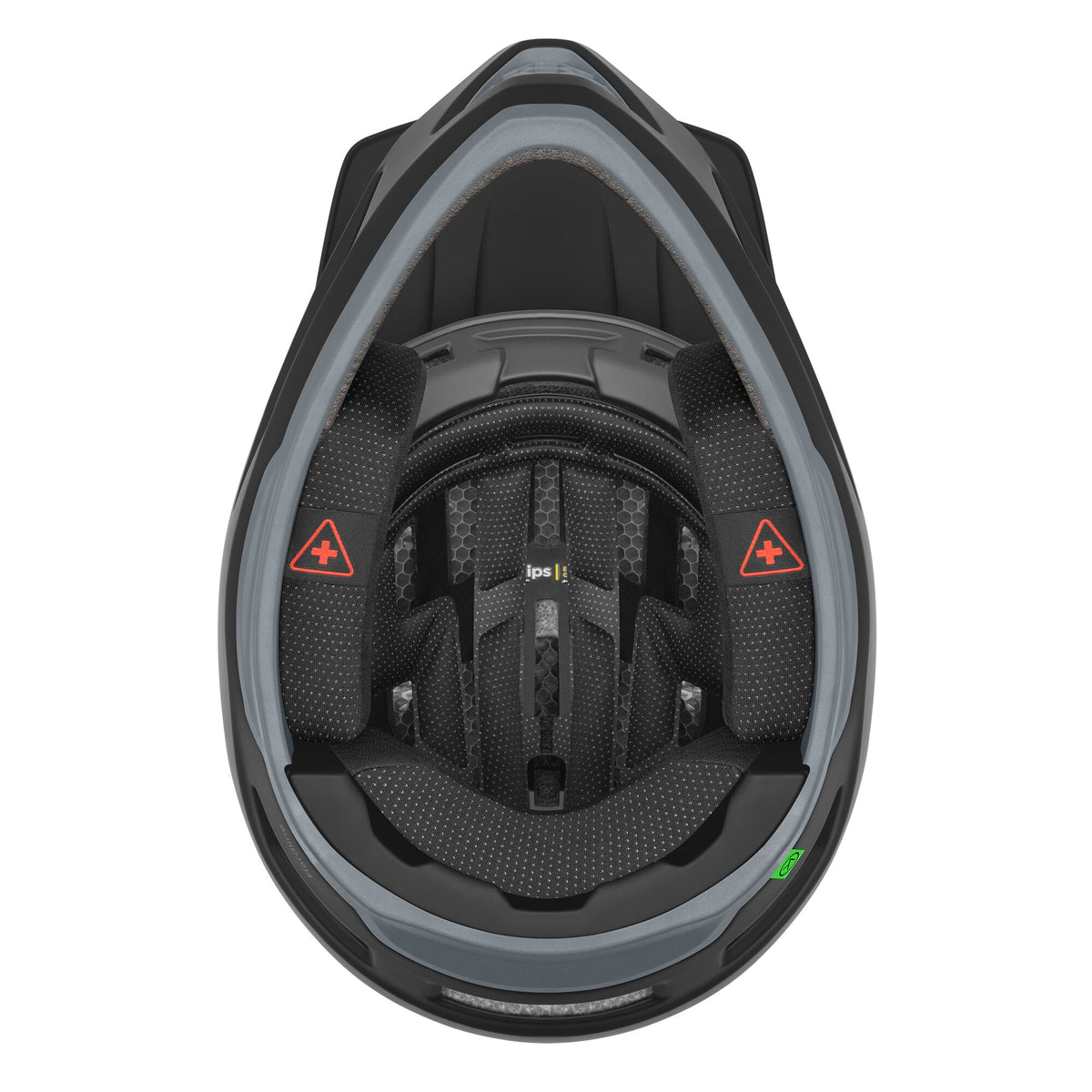
Smith Hardline MIPS R Helmet Gallery

Key Specs & Features at a Glance
On paper, the Smith Hardline MIPS R is a modern, fully featured downhill helmet with premium tech and premium pricing to match.
- Use case: Downhill, freeride, bike-park laps, high-consequence enduro stages
- Shell: Composite full-face shell (this review focuses on the composite “R” model)
- Impact protection: Complete Koroyd coverage + MIPS Evolve Core rotational protection
- Extra safety: Collarbone impact protection zone at the lower edge of the shell
- Certifications: CPSC, EN 1078, AS/NZS 2063, ASTM F1952 (downhill-certified)
- Sizes: S, M, L (approximately 51–62 cm head circumference)
- Fit tuning: Two sets of cheek pads, crown liners, and neck rolls included
- Chin strap: Classic D-ring closure
- Ventilation: 16 vents with a large chin-bar intake, brow vents, and rear exhaust port
- Weight: Approx. 35 oz / 990 g (size M composite)
- Extras: Adjustable break-away visor, emergency-release cheek pads, under-visor POV camera mount compatibility, Ionic+ anti-bacterial liner
- MSRP: Around $450 USD for the composite Smith Hardline MIPS R
On spec alone, this is a helmet clearly aimed at riders who spend real time in the bike park or on proper DH tracks, not just weekend trail loops.
Design & Build Quality
Visually, the Smith Hardline MIPS R lands in that sweet spot between race-focused aggression and clean industrial design. It borrows some of the design language from Smith’s trail lids, then stretches it over a bigger, burlier shell and a significantly beefier chin bar.
The shell shape wraps deep around the back of your head and jawline. Compared to the Mainline, the Hardline’s chin bar is noticeably more substantial and the overall silhouette is more “full DH” than “enduro+.” The sculpted vents, integrated Koroyd windows, and sharp visor lines give it a modern, purposeful look that feels at home on a World Cup track or at your local park’s biggest jump line.
Finish quality is what you’d expect from Smith’s top-tier helmets – clean paint, tidy edges, and high-quality liners and straps. The visor hardware and D-rings feel robust and overbuilt in a good way, rather than flimsy or plasticky.
From a protection-first standpoint, the Smith Hardline MIPS R looks and feels like a helmet built to get punted down a rock garden and come back asking for more. It’s not chasing the “lightest in class” crown; it’s chasing confidence when things go loud.
Fit & Sizing: What You Need to Know
The Hardline continues Smith’s trend toward a slightly race-oriented, snug fit. If you’ve worn Smith full-face helmets before, the overall feel will be familiar – especially if you’ve spent time in the Mainline.
Head shape-wise, the Smith Hardline MIPS R favors a slightly oval head with a noticeable taper from the crown down to the cheek area. Getting it on can feel tight, but once it’s fully seated, the helmet settles into that “locked-in” feel that riders want from a proper DH lid.
Smith includes a legit pad kit: two sets of cheek pads, crown liners, and neck rolls. That gives you real tuning range – you can go full race-tight for maximum stability on the roughest tracks or back it off slightly for a bit more comfort on longer days.
The downside is sizing range. The line currently tops out at Large (roughly 62 cm), so riders who typically need an XL are out of luck for now. If you’re at the upper end of most brands’ size charts, this is a helmet you should definitely try on in person before hitting “Buy Now.”
BIKE198 fit advice:
- If Smith helmets usually fit you well, you’ll likely be fine – just plan on spending a little time swapping pads and letting things break in.
- If you already find Smith’s trail helmets tight in the cheeks, expect the Smith Hardline MIPS R to feel even more race-focused out of the box.
- Give it a few ride days before making a final call; DH pads and liners often feel too tight until they pack down slightly.
Ventilation & On-Trail Comfort
The Hardline isn’t trying to be an all-day enduro helmet. Smith already has the Mainline for pedal-heavy days. This one is unapologetically biased toward protection, but ventilation is still better than you’d expect from a fully DH-certified full-face.
The vent layout is built around a large chin-bar intake, brow ports that channel air over the top of your head, and a wide rear exhaust channel that helps pull warm air out. Koroyd’s open structure also allows air to move through the helmet more easily than traditional solid EPS alone.
Is it as airy as a Proframe or Stage? Not even close. But for a helmet that’s DH-certified and clearly built to take big hits, the airflow is respectable. On lift-assisted and shuttle days, it stays comfortable for multiple laps without feeling like an oven. On long pedal transfers in hot weather, you’ll definitely notice the extra shell and reduced vent area compared to an enduro-focused lid.
At around 990 grams in size M, the Smith Hardline MIPS R sits in line with many modern DH helmets. It’s heavier than ultra-light enduro full-faces, but not so heavy that it becomes a neck workout. Once you’re pointed downhill and fully focused, the weight fades into the background and what you notice instead is the stability and security.
Safety Tech: Koroyd, MIPS & Collarbone Protection
The Hardline stacks multiple layers of safety into one shell:
 From the Bike198 shopIs My Bike Ok?$26Shop
 Koroyd
Koroyd is the green honeycomb structure you see through the vent windows. It’s made from small welded tubes that crumple in a controlled way during an impact. Compared to traditional EPS foam alone, Koroyd is designed to offer:
- More consistent energy absorption across a wider range of impacts
- Efficient dissipation of big-hit forces
- Improved airflow thanks to its open structure
In practice, it gives the Smith Hardline MIPS R a slightly more solid, damped feel than helmets that rely solely on foam. You can feel the structure when you tap on the shell – it’s built to work when things go really wrong, not just in low-speed tumbles.
MIPS Evolve Core
The Hardline uses MIPS Evolve Core, a low-friction layer between the shell and liner that allows the helmet to rotate slightly around your head during an angled impact. That slip plane is designed to reduce rotational forces transmitted to the brain – the kind of forces that are common in real crashes where you rarely fall straight down.
One quirk some riders notice with MIPS in full-face helmets is creaking as the liner moves against the shell. The Hardline isn’t completely immune to this. On some helmets you’ll hear a bit of noise when turning your head or compressing the shell with your hands. It doesn’t affect safety, but if you’re very sensitive to sound inside your helmet, it’s worth being aware of.
Collarbone Impact Zone
One of the most interesting details on the Smith Hardline MIPS R is the collarbone impact protection zone built into the lower edge of the shell. This area is engineered to help disperse force if the helmet’s edge contacts your collarbone in a crash, reducing the risk of a sharp, fracture-inducing hit.
Combine that with full downhill certification and you get a helmet that clearly prioritizes worst-case scenarios. It’s the kind of design you appreciate when you’re staring down steep chutes and big compressions.
Trail Performance: How the Hardline Rides
Confidence & Protection
The first thing most riders notice when they put on the Smith Hardline MIPS R is how secure it feels. The deeper shell, thicker chin bar, and snug padding create a very “locked-in” sensation that screams “go fast” more than “casual laps.”
On trail, that translates directly into confidence. The helmet stays planted through rough sections, doesn’t wander when you’re plowing through rock gardens, and resists twisting on your head when you slam into compressions or hard G-outs.
Stability & Goggle Integration
Smith has always done helmet–goggle integration well, and the Hardline is no exception. The shell shape and AirEvac venting system are designed to work with Smith goggles, but most other brands also play nicely. The goggle channeling feels natural, and fogging is less of an issue than with older, less integrated DH helmets.
Noise & Overall Feel
The only real ride-time negative some riders mention is the occasional MIPS creak. It’s not universal, but if you happen to get a louder shell/liner combo, you may hear small squeaks or crackles as the slip plane does its thing. A bit of lube or thin felt at key contact points can help quiet it down if it bothers you.
Otherwise, the overall feel is exactly what you’d want from a DH helmet: solid, quiet in the wind, and confidence-inspiring when speeds pick up.
Smith Hardline vs. Smith Mainline (and Other Competitors)
Smith clearly positions the Smith Hardline MIPS R as the downhill-focused big brother to the Mainline.
Hardline vs. Mainline
- Protection & Coverage: The Hardline has a burlier shell and beefier chin bar with fewer but more substantial vents. It feels like a true DH helmet. The Mainline is lighter and more open, better suited for enduro racing and all-day pedaling.
- Weight: The Hardline composite sits around 990 g in size M. The Mainline comes in lighter, making it more appealing for riders who spend as much time climbing as they do descending.
- Ventilation: The Mainline wins on airflow and all-day comfort. The Hardline trades some of that for added shell and Koroyd coverage.
If your riding is 70–90% park laps, shuttle days, and DH tracks with only short transfers, the Hardline is the better match. If you’re grinding out multi-hour enduro days with big climbs, the Mainline or another pedal-friendly full-face will serve you better as a primary helmet.
How It Stacks Up Against Other DH Helmets
Against lighter full-faces like the Fox Proframe or TLD Stage, the Smith Hardline MIPS R feels more substantial and confidence-inspiring for repeated big hits, but it’s heavier and warmer.
Against full-on DH race lids like the Troy Lee D4 or 100% Aircraft, the Hardline is right in the mix on weight and intent. Your decision between them will come down to fit, styling, ventilation preferences, and whether you want Smith’s Koroyd + MIPS combo or a more traditional EPS- and MIPS-based design.
Price-wise, the composite Hardline sits at the higher end of the DH helmet market. You can definitely find less expensive options, especially on sale. But if there’s anywhere it makes sense to spend real money, it’s the thing keeping your brain in one piece.
Pros & Cons
What the Hardline MIPS R Gets Right
- Serious DH protection: Fully downhill-certified with Koroyd, MIPS, and a collarbone impact zone – this is not a “trail helmet with a chin bar.”
- Locked-in fit and stability: Once it’s on, the helmet feels planted and secure even on the roughest tracks.
- Thoughtful safety features: Emergency-release cheek pads, break-away visor, collarbone-friendly lower edge, and POV camera compatibility all point to real-world crash thinking.
- Respectable DH-focused ventilation: For a helmet that prioritizes protection, the airflow is solid and usable for full bike-park days.
- Premium build quality: Materials, paint, straps, and liners all feel high-end, matching the price tag.
Where It Misses
- Price: At roughly $450, the Smith Hardline MIPS R is one of the pricier composite DH helmets on the market.
- No XL option: The size range stops at Large, shutting out riders who typically need XL lids.
- Potential MIPS creaking: Some riders notice noise from the slip plane. It’s not universal, but it’s there on certain helmets.
- Not a “one helmet to rule them all”: The weight and ventilation make it overkill for big pedal-heavy trail and enduro days. Most riders will still want a lighter half-shell or enduro lid for everyday use.
Who the Smith Hardline MIPS R Is For
You should seriously consider the Smith Hardline MIPS R if:
- You spend a lot of time in bike parks, on shuttles, or on true DH tracks where speeds are high and consequences are real.
- You already like Smith’s helmet fit and want a more protective, DH-specific option than the Mainline.
- You’ve had enough close calls or crashes that “maximum protection” is now a priority, not a nice-to-have.
- You want a helmet with modern safety tech, DH certification, and well-thought-out crash features.
It’s less ideal if:
- You mostly ride trail and light enduro with only occasional park trips.
- You ride in very hot climates and spend a lot of time pedaling uphill.
- You need an XL or larger helmet size.
Sizing & Setup Tips
If you’re ready to pull the trigger on a Smith Hardline MIPS R, here’s how to get the best experience out of it:
- Measure accurately. Use a soft tape, measure just above your ears and eyebrows, and compare to Smith’s size chart. If you’re close to the upper end of a size, try before you buy when possible.
- Expect a snug first fit. The cheek pads will feel tight at first. That’s normal for a DH race lid and will ease up slightly as the pads pack down.
- Use the pad kit. Don’t be afraid to mix and match the included cheek pads, crown liners, and neck rolls to dial in your fit.
- Break it in before race day. Do a few shorter ride sessions or park laps before trusting it on a big trip or race weekend.
- Dial your visor and camera mount. Set the visor high enough to stay out of your line of sight while still providing some roost protection, and take advantage of the under-visor camera mount if you run an action cam.
Quick FAQ
Is the Smith Hardline MIPS R good for enduro?
It’s rideable for enduro, but not ideal if you’re doing long, hot climbs. This helmet shines on DH tracks, shuttle laps, and bike-park days with shorter transfers.
Does it work well with goggles?
Yes. The shell shape and AirEvac venting are tuned for goggle use. Smith goggles integrate perfectly, and most other brands fit without issue.
Composite or carbon?
For most riders, the composite Smith Hardline MIPS R is the sweet spot on price vs. performance. The carbon version saves some grams and a bit of neck fatigue over a long day but costs noticeably more.
How does it compare to lighter full-face helmets?
Lighter lids like the Fox Proframe or TLD Stage are better for long pedaling days and enduro racing. The Hardline trades some weight and airflow for more shell, more Koroyd, and a bigger sense of security when you’re going full send.
Final Verdict
The Smith Hardline MIPS R is exactly what a lot of gravity-oriented riders have been waiting for from Smith: a true downhill helmet that doesn’t pretend to be an all-day enduro lid.
It combines DH certification, Koroyd, MIPS, a collarbone-friendly shell edge, emergency-release pads, and a POV-ready visor into a package that feels purpose-built for modern park and DH riding. It’s not cheap, it doesn’t come in XL, and it’s not the best choice for huge pedal days, but if your riding leans more toward steep, fast, and rowdy, this is the kind of helmet you want on your head when things get weird at speed.

I founded Bike198 back in 2008 and started riding bikes seriously in 1994. A lot has changed since that time and one of the greatest releases is still getting out on the bike and shredding trail or tearing up the road.